


Most Quality Problems Start Before Production
In outdoor furniture sourcing, many buyers assume that quality issues originate from unreliable factories.
However, in production environments, most problems stem from decisions made before production begins.
Material selection, specification clarity, and process definition all have a direct impact on final product quality.
For this reason, quality should not be viewed as something to inspect at the end, but as a system established at the beginning of the project.
1. Process Control Is More Effective Than Final Inspection
Third-party inspection is a common practice in international sourcing. It plays an important role in verifying finished goods.
However, inspection alone cannot control quality, as it occurs after production is complete.
If defects are identified at this stage, the available options are limited to rework, replacement, or shipment delays.
Effective quality control must be implemented during production.
At Sun Master, quality is managed through a structured process:
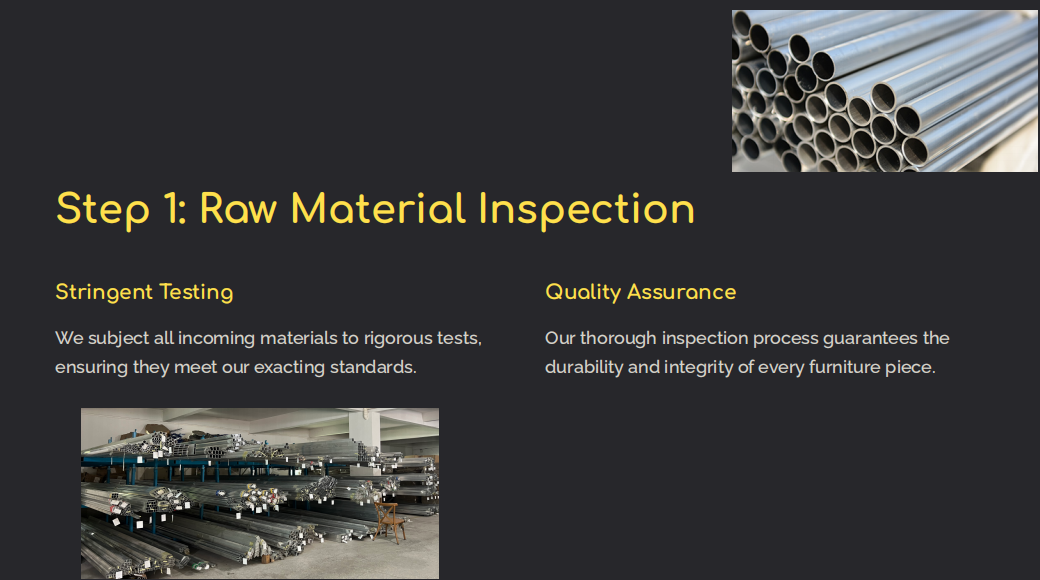
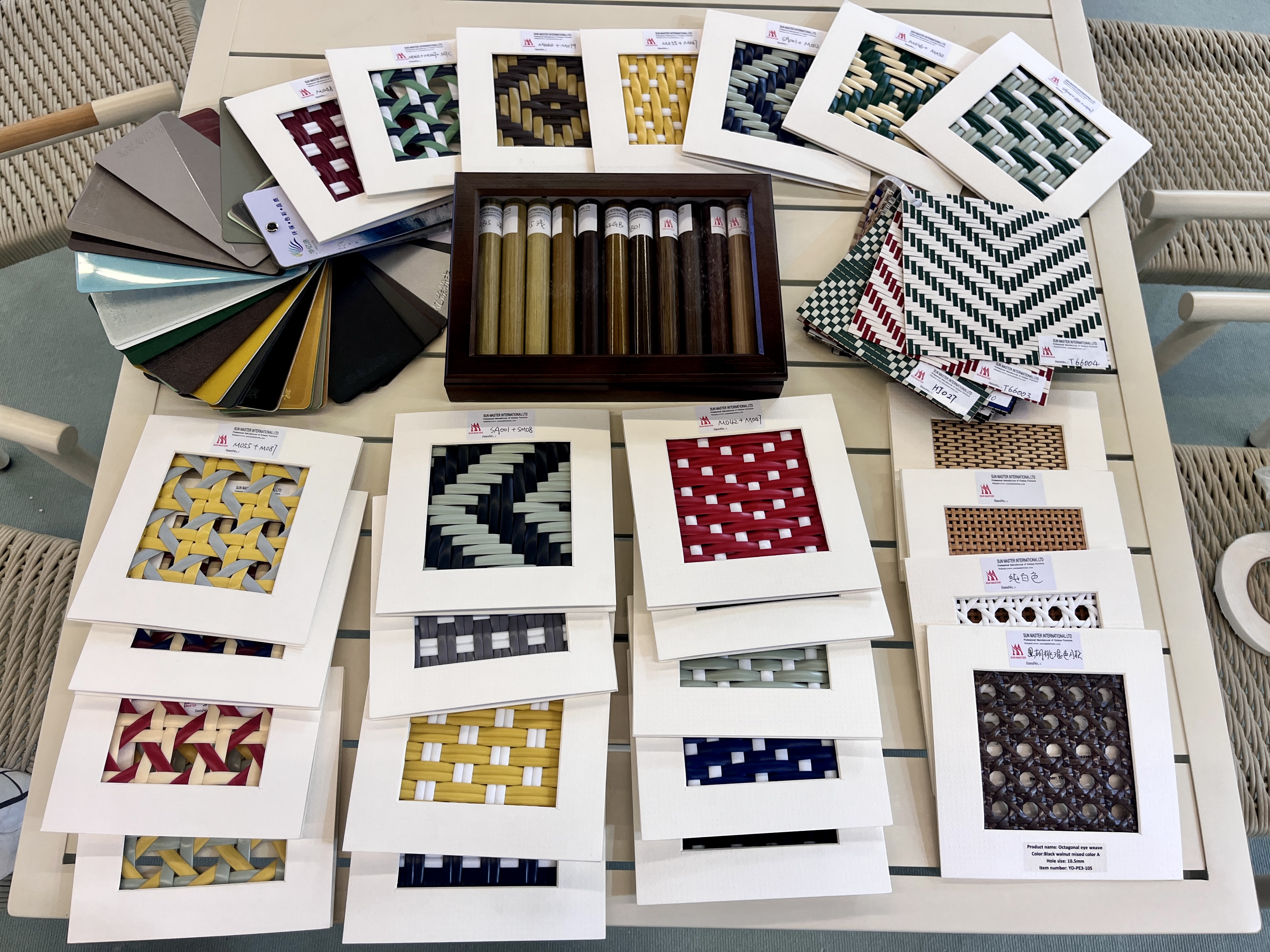
- Raw material inspection and confirmation
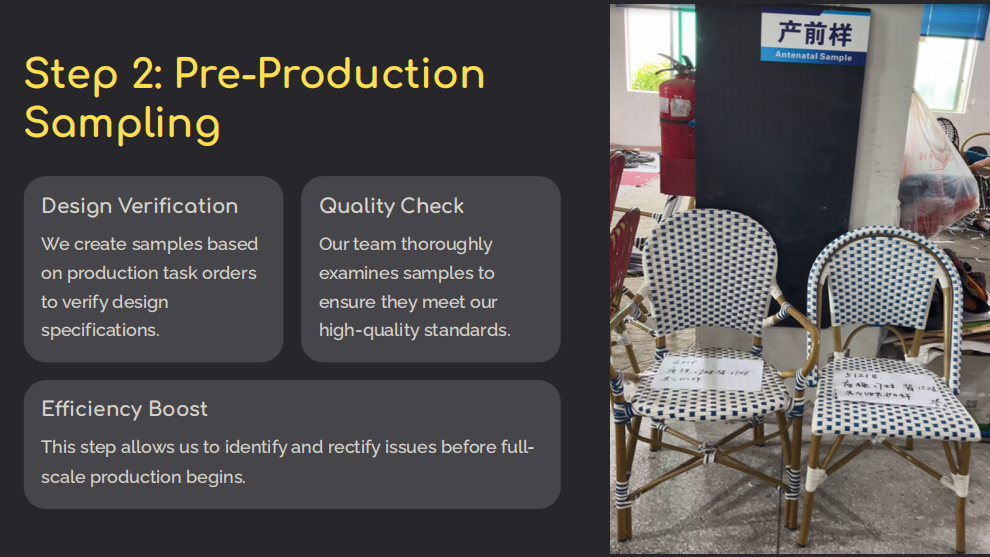
- Pre-production sample approval
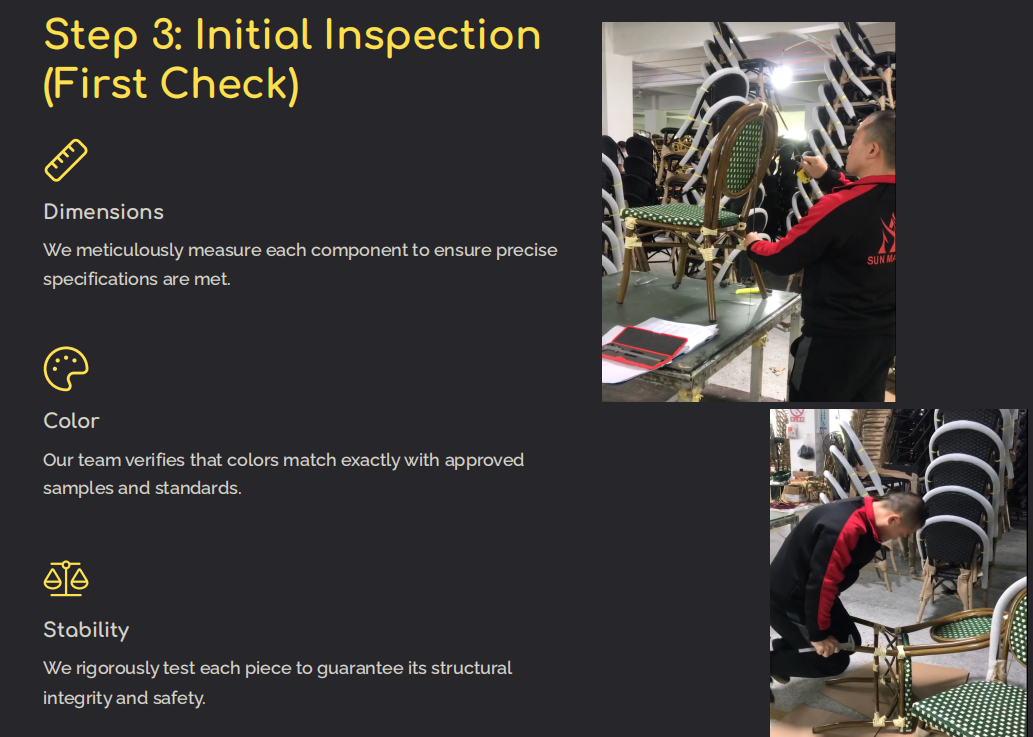
- First article inspection (FAI)
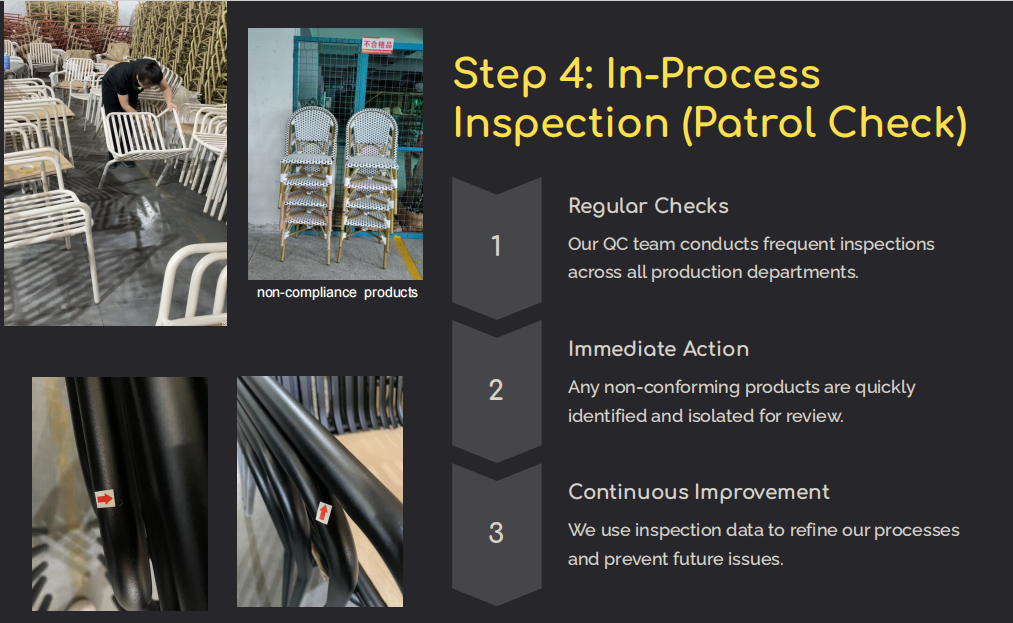
- In-line inspection during production
- Final random inspection before shipment
This approach ensures that potential issues are identified and corrected at earlier stages.
2. Samples Must Reflect Actual Production Conditions
A common risk in sourcing is approving samples that do not represent mass production.
Samples are often produced under controlled conditions, sometimes with additional attention or different resource allocation.
In contrast, bulk production involves multiple operators, standard production speeds, and batch material variation.
If the sample does not accurately reflect these conditions, inconsistencies are likely to occur during production.
To reduce this risk, it is important to ensure that samples are aligned with actual production processes, including materials, equipment, and workmanship.
3. Consistency Is the Core of Product Quality
In B2B supply, consistency across orders is more critical than the quality of a single batch.
Variations between shipments can lead to customer complaints, increased after-sales costs, and damage to brand reputation.
Consistency depends on several factors:
- Standardized production procedures
- Controlled process parameters
- Stable and trained workforce
- Continuous in-line quality monitoring
Without these elements, maintaining uniform quality across multiple orders becomes difficult.
https://youtube.com/shorts/J6uTqegvrdI?feature=share
4. Clear Communication Reduces Quality Risks
Many quality issues originate from incomplete or unclear communication.
Examples include:
- Lack of detailed specifications
- Undefined tolerances or finishing standards
- Assumptions based on previous orders
- Delayed confirmation during production
To avoid such issues, technical requirements should be clearly documented before production begins.
This includes material specifications, finishing standards, and packaging requirements.
Clear communication ensures that both the buyer and manufacturer have the same understanding of the product.

Conclusion: Quality Is a System, Not a Checkpoint
In outdoor furniture manufacturing, quality is not determined at a single stage.
It is the result of coordinated control across materials, processes, and communication.
For buyers sourcing from China, the focus should shift from final inspection to system-based quality management.
Working with manufacturers that have established processes and stable production systems can significantly reduce risk and improve long-term supply reliability.

Post time: Apr-17-2026